AI Learning Analytics and the Shift Toward Hybrid Learning
For this entry, I wanted to expand on one technology and one key trend highlighted in the EDUCAUSE Horizon Report: Teaching and Learning Edition. After reviewing the report, two areas stood out: the rise of AI-driven learning analytics and the expansion of hybrid and flexible learning models across higher education. Both developments indicate how education is moving into an era that is more data-informed, adaptable, and personalized.
Technology: AI-Driven Learning Analytics
AI learning analytics focuses on using machine learning and predictive algorithms to understand how students engage with coursework. These systems track participation patterns, identify potential risk factors, and help educators intervene before problems escalate. Instead of relying solely on grades or attendance, analytics platforms look at dozens of behavioral signals, offering institutions a deeper view of how students learn and where they struggle.
To visually represent this technology, I added a royalty-free image illustrating data networks and AI-driven analysis.
Image: 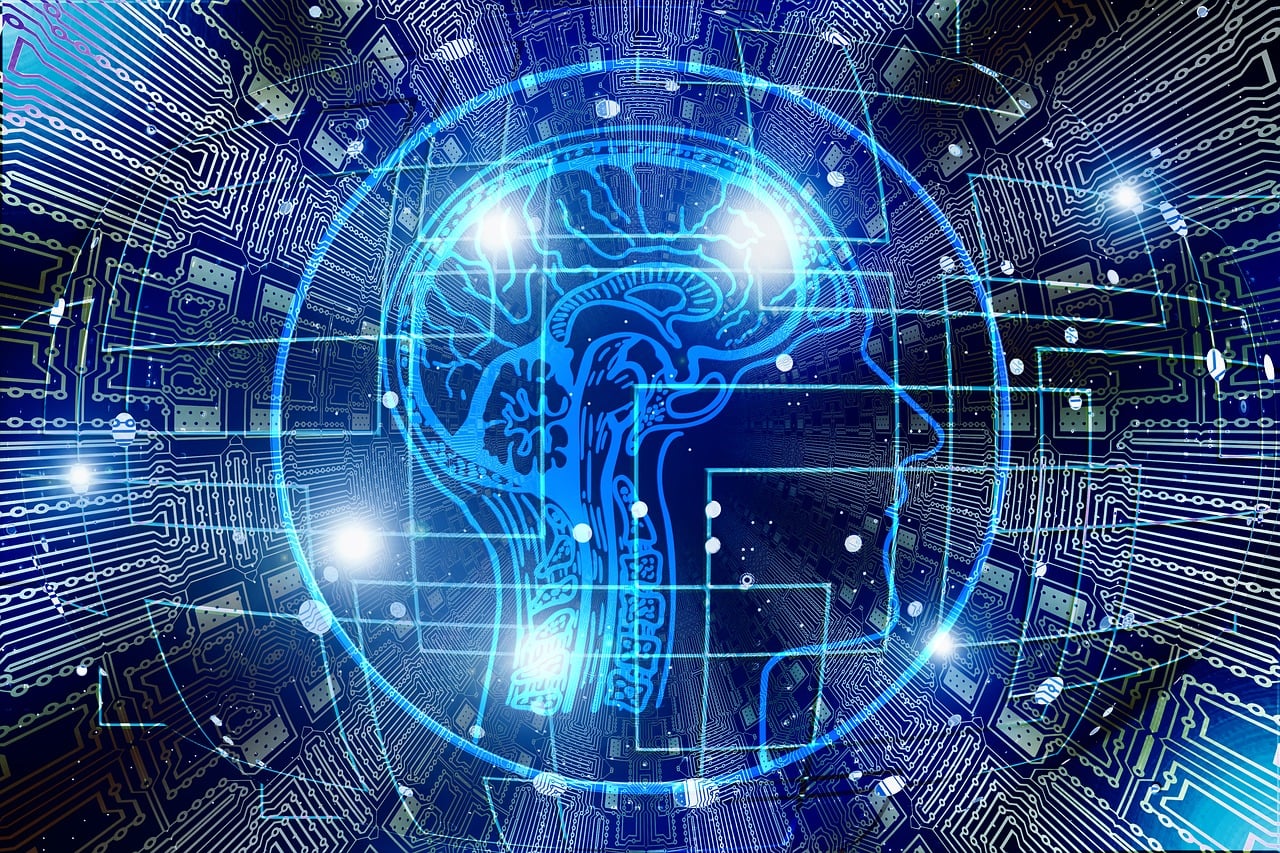
Image Source:
Pixabay. Artificial intelligence illustration (https://pixabay.com/illustrations/artificial-intelligence-brain-think-3382507/). Free for commercial use.
This image reflects how AI systems process complex streams of learning data to uncover patterns, much like the synapses in the human brain.
Forces Impacting This Technology
Technological Force:
Recent advances in natural language processing, cloud computing, and multimodal analytics are enabling these systems to become far more accurate and responsive. As AI matures, learning analytics evolves from simple dashboards into intelligent, adaptive systems capable of generating personalized insights.
Ethical/Legal Force:
At the same time, the expansion of learning analytics raises concerns regarding data privacy, transparency, and algorithmic fairness. Institutions must navigate FERPA compliance, student consent, and responsible data governance to implement these systems ethically.
Trend: Hybrid and Flexible Learning Models
Hybrid learning—combining both digital and face-to-face instruction—has shifted from an emergency response to a long-term structural trend. Students now expect fluid learning options that allow them to move between in-person and online environments depending on their needs. This flexibility supports nontraditional learners and creates continuity during disruptions.
Forces Impacting This Trend
Societal Force:
Learners increasingly value adaptability. People balancing work, family responsibilities, military commitments, or travel benefit from educational paths that do not lock them into a fixed location or schedule.
Economic Force:
While hybrid learning offers greater resilience, it requires significant investment. Institutions need updated learning management systems, video infrastructure, digital resources, and instructional design support. Schools with fewer resources may struggle to implement hybrid environments effectively.
Conclusion
AI-driven learning analytics and hybrid learning models reinforce each other. As classrooms become more distributed, analytics tools help track engagement, identify gaps, and maintain instructional continuity. Together, these developments signify a long-term move toward more responsive, flexible, and personalized learning ecosystems.
Reference
EDUCAUSE. (2021). 2021 EDUCAUSE Horizon Report: Teaching and Learning Edition. https://library.educause.edu/resources/2021/2/horizon-reports
Comments
Post a Comment